
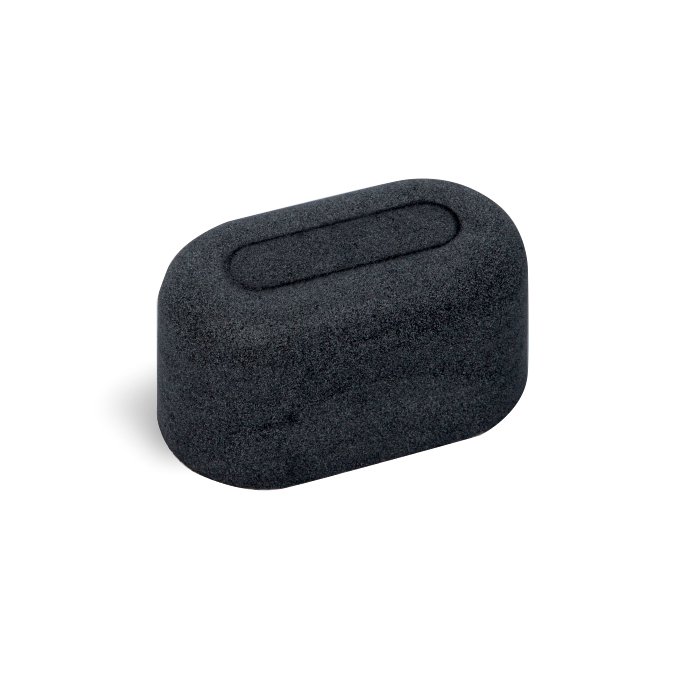
This Zanxis activated carbon filter cartridge is designed for gravity-fed water pitchers, sports bottles, desktop instant water dispensers and coffee machine water tanks. It reduces residual chlorine, unpleasant tastes and odours, softens water by removing calcium and magnesium hardness, and intercepts harmful heavy metals such as lead and copper, while also trapping sediment and rust. It is aimed at OEM/ODM buyers, brand owners and distributors who need documented performance and customisable sizing.
| Item | Detail |
|---|---|
| Product name | Dechlorination water pitcher filter cartridge / drinking bottle filter cartridge |
| Core filter materials | Food-grade PP housing + high-efficiency coconut-shell granular activated carbon + quality ion-exchange resin |
| Core purification functions | Strong adsorption of residual chlorine, colours and odours; water softening (removal of calcium and magnesium scale); interception of harmful heavy metals (lead, copper, etc.); filtration of sediment, rust and suspended solids |
| Water flow and filtration characteristics | Precision injection-moulded filter mesh supports good gravity-flow seepage speed while preventing internal carbon fines from leaking; no black water during use |
| Main application end-products | Household water pitchers, portable sports water bottles, desktop instant water dispenser filter components, built-in water tank filters for capsule coffee machines |
| Filter media ratio and mould customisation | 100% OEM flexible custom manufacturing supported. The mixing ratio of activated carbon to resin can be adjusted for target lead removal or descaling needs; housing shapes and structures fully support customer-specific moulding |
| Quality certification and safety systems | Production relies on the company's 20,000 m² clean workshop and meets international water-contact and food-contact safety standards. The company holds ISO 9001, ISO 14001 and IATF 16949 certification |
Before you specify this cartridge, confirm the performance values that matter for your market. For dechlorination, Zanxis test data show a residual chlorine removal rate of over 95% under standard conditions. The rated cartridge life is 150 L or 1–2 months, based on typical household use of about 2–4 L per day. Confirm these figures against your own use pattern, because actual life depends on feed-water chlorine level, hardness and daily volume.
Also confirm the carbon-to-resin ratio. The standard mix balances dechlorination and softening; if your target market prioritises lead reduction, the resin share can be increased, and if scale control is the main claim, the ratio can be tuned accordingly. Flow rate is another value to sign off: the precision-moulded mesh is designed to maintain gravity seepage without allowing carbon fines to pass, so request a flow test on the exact housing you plan to use. Finally, confirm housing dimensions and connection geometry, since the cartridge is moulded to your pitcher or bottle design.
The cartridge combines three functional layers in one housing. A food-grade PP shell contains coconut-shell granular activated carbon for chlorine, taste and odour reduction, blended with ion-exchange resin for softening and heavy-metal interception. A precision injection-moulded filter mesh retains the media and controls gravity flow, which is why the cartridge is described as not releasing black water during use.
Because the housing is injection-moulded, the external shape can be customised to fit specific pitchers, sports bottles, desktop instant water dispensers and coffee-machine water tanks. The carbon-to-resin ratio is also adjustable, so one production platform can serve several SKUs with different performance claims. This flexibility is suited to brand owners who need a family of cartridges across multiple device models without developing a new platform each time.
Zanxis operates a laboratory accredited by CNAS (China National Accreditation Service for Conformity Assessment), which can issue test reports for filtration efficiency, dust holding capacity and resistance. These reports give you documented values to compare against your specification before you commit to a production order.
Quality control follows IQC, IPQC and OQC stages across the production flow. The company holds IATF 16949 certification, obtained in 2024, as well as ISO 9001, ISO 14001 and ISO 45001 system certifications. Production takes place in a 50,000 m² plant in Zhongshan, Guangdong, China, which includes six clean workshops totalling 20,000 m². Products meet REACH and RoHS environmental requirements, and compliance documents can be provided. With more than 20 years of filtration development and manufacturing experience, Zanxis has accumulated over 1,000 filtration solutions and exports to Europe, the United States, Japan and South Korea.
To move from specification to sample, send Zanxis the following details: your device or vehicle model (if applicable), the cartridge size or a drawing, the required airflow or water flow, the operating conditions (feed-water chlorine, hardness, temperature), and your target quantity. With these inputs, the team can propose a media ratio, confirm tooling requirements and issue a sample plan with the relevant CNAS laboratory reports. Start your inquiry at /en/contact.
Yes. Zanxis can provide test reports from its CNAS-accredited laboratory covering filtration efficiency, dust holding capacity and resistance. For this dechlorination cartridge, the reported residual chlorine removal rate is over 95% under standard conditions. Share your specification so the relevant reports can be matched to your configuration.
The coconut-shell activated carbon removes over 95% of residual chlorine under standard conditions, and the ion-exchange resin supports softening and heavy-metal interception. Rated life is 150 L or 1–2 months based on about 2–4 L daily household use. Actual life depends on feed-water chlorine, hardness and daily volume, so validate with your own water.
Standard samples can be supplied for performance evaluation, and custom samples are built to your drawing or reference sample. The timeline depends on whether new tooling is required and on the tests you request. After you provide the device model, drawing, flow rate and operating conditions, Zanxis will confirm a sample schedule.
Yes. The PP housing is injection-moulded and fully supports customer-specific moulds, so the external shape can be adapted to your pitcher, sports bottle, dispenser or coffee-machine tank. The carbon-to-resin ratio can also be adjusted for lead removal or descaling targets. Provide a drawing or reference sample to start.
MOQ and lead time are set per product and order specification; confirm them with the Zanxis team when you request a quote. Because production runs in the 50,000 m² Zhongshan plant with multiple automated lines, capacity can be planned around your schedule. Include your target quantity and packaging requirements in the inquiry.
The rated life is 150 L or 1–2 months under typical household use of about 2–4 L per day. Replace earlier if flow drops noticeably or taste and odour return. For OEM programmes, Zanxis can help define a replacement interval that matches your device instructions and local market expectations.
Confirm feed-water chlorine level, hardness, TDS and temperature, plus the gravity flow rate your device requires. These values determine the suitable carbon-to-resin ratio and the expected cartridge life. Provide them with your device model and drawing so Zanxis can propose a verified specification.
Send your device or vehicle model, cartridge size or drawing, required water flow, operating conditions and target quantity through <a href="/en/contact">/en/contact</a>. The team will respond with a sample plan, relevant CNAS test reports and a quotation. Custom housing and media-ratio options can be discussed in the same step.